Multi-System Homes Need Coordinated Design
Additional HVAC Systems in Meridian for custom homes and multi-level properties requiring separate heating and cooling zones
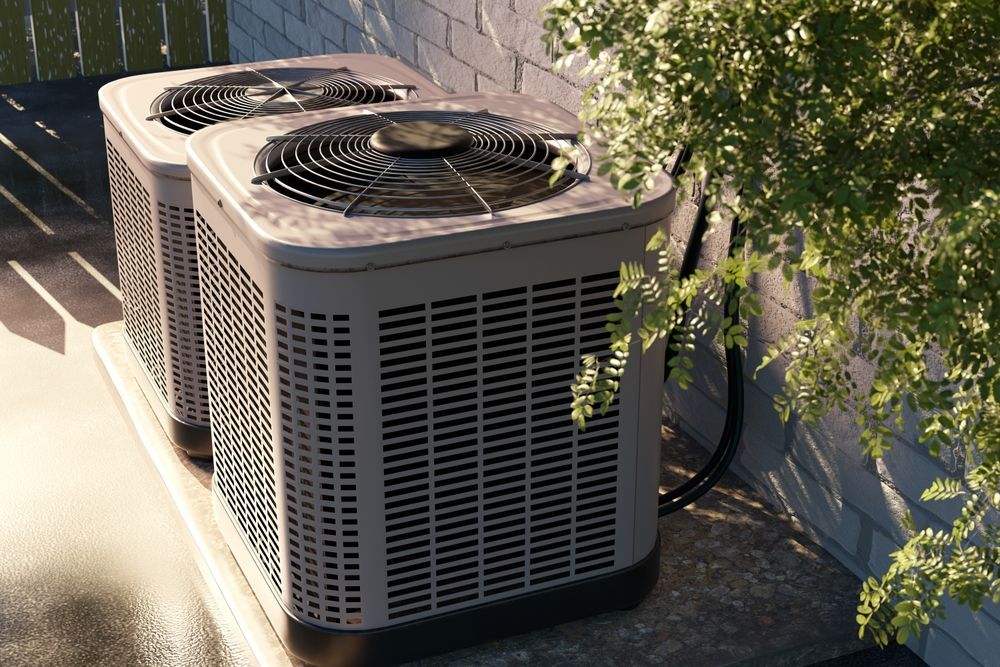
Larger residential floorplans often exceed the practical capacity of a single HVAC system, which means the home requires multiple units to maintain consistent temperatures across all living spaces. Additional HVAC system calculations are available through Load Calc Designs in Meridian for homes that need two or more systems based on square footage, floor plan layout, or zoning requirements. Each additional system added to the project increases the calculation cost by $50, which reflects the shared architectural data and streamlined coordination that occurs when multiple systems are designed together for the same property.
Multi-system designs require proper separation of heating and cooling zones so each unit serves a defined area without overlap or gaps in coverage. The load calculation process evaluates how the home is divided, assigns specific rooms to each system, and calculates individual loads for each zone to determine the correct equipment capacity and ductwork requirements. Coordinating with builders and HVAC contractors during the design phase prevents conflicts between duct runs, equipment placement, and system controls.
Discuss multi-system residential HVAC design needs to establish the correct number of systems and zone layout for your custom home.
Why Proper System Separation Improves Performance
Load calculation for multi-system homes divides the floor plan into logical zones based on thermal characteristics, usage patterns, and structural layout. Each system receives its own Manual J load calculation, Manual S equipment selection, and Manual D duct design to verify that airflow and capacity are balanced within each zone. Common applications include separating upstairs and downstairs levels, isolating master suites or guest wings, and dividing large single-story homes into front and rear zones that experience different solar exposure.
Once the systems are installed and commissioned, you'll notice independent temperature control for different areas of the home, more consistent comfort in spaces that previously ran too hot or cold, and lower energy costs because each system operates only when its assigned zone requires heating or cooling. Load Calc Designs coordinates the design process to ensure that equipment placement, thermostat locations, and return air pathways are planned before construction begins.
Properly balancing multiple heating and cooling systems prevents one unit from being oversized while another is undersized, which would create uneven comfort and inefficient operation. Customized HVAC layouts account for the specific design and square footage of the home rather than applying generic rules that don't consider how heat moves through multi-level or complex floor plans.
What Property Owners Usually Ask
Multi-system HVAC design involves decisions that affect construction costs, long-term efficiency, and how well different areas of the home maintain comfort independently.
How do you determine if a home needs more than one HVAC system?
Homes larger than 3,000 square feet, multi-story layouts with significant thermal differences between levels, or floor plans with wings that experience different solar exposure typically benefit from separate systems that provide independent zone control.
What is the pricing structure for additional system calculations?
The first system follows standard pricing, and each additional system is an additional $50 because the architectural data, software setup, and project coordination are shared across all systems in the same home.
How are heating and cooling loads divided between multiple systems?
The load calculation assigns specific rooms to each system based on proximity, thermal characteristics, and logical zone boundaries, then calculates the total load for each zone to determine individual equipment capacity requirements.
Why is coordination with builders and HVAC contractors important for multi-system homes?
Coordinated design prevents duct routing conflicts, ensures adequate space for multiple air handlers or furnaces, and establishes clear system boundaries so contractors understand which equipment serves which areas during installation.
What challenges are common in multi-system residential HVAC design in Meridian?
Treasure Valley custom homes often include open floor plans, vaulted ceilings, and bonus rooms that complicate system separation, so the design must account for airflow between zones and how heat rises or settles throughout the structure.
Load Calc Designs completes load calculations, equipment selection, and duct design for multi-system residential properties using coordinated planning that supports proper zone separation and balanced performance. Contact us at (208) 249-2077 to review your custom home HVAC design requirements.