Comfort Control Designed Around Your Floorplan
Zoning Systems in Meridian for independent temperature control throughout two-story homes and larger residential layouts
Two-story homes frequently have upstairs bedrooms that overheat in summer while main-floor living areas remain comfortable, and running the system longer to cool upper levels wastes energy cooling spaces that don't need it. Load Calc Designs plans HVAC zoning systems for residential projects in Meridian, using multiple thermostats and damper controls to regulate airflow independently in different areas of your home. Zoning eliminates the temperature imbalances caused by single-thermostat systems that treat every room identically.
HVAC zoning divides your home into separate temperature zones, each controlled by its own thermostat and served by motorized dampers installed in the ductwork. When one zone calls for heating or cooling, dampers open to direct conditioned air to that area while closing off zones that have already reached their set temperature, preventing energy waste in unused spaces.
Request a zoning consultation to review how your home's layout and heating demands affect comfort.
Why Zoning Performance Depends on Airflow Planning
Zoning systems require ductwork designed to handle variable airflow, because closing dampers in some zones increases static pressure in the ducts serving active zones. Load Calc Designs evaluates your home's structure, heating and cooling demands, and existing or planned ductwork to create zoning layouts that balance airflow without overloading the HVAC system or creating noise from high-velocity air movement.
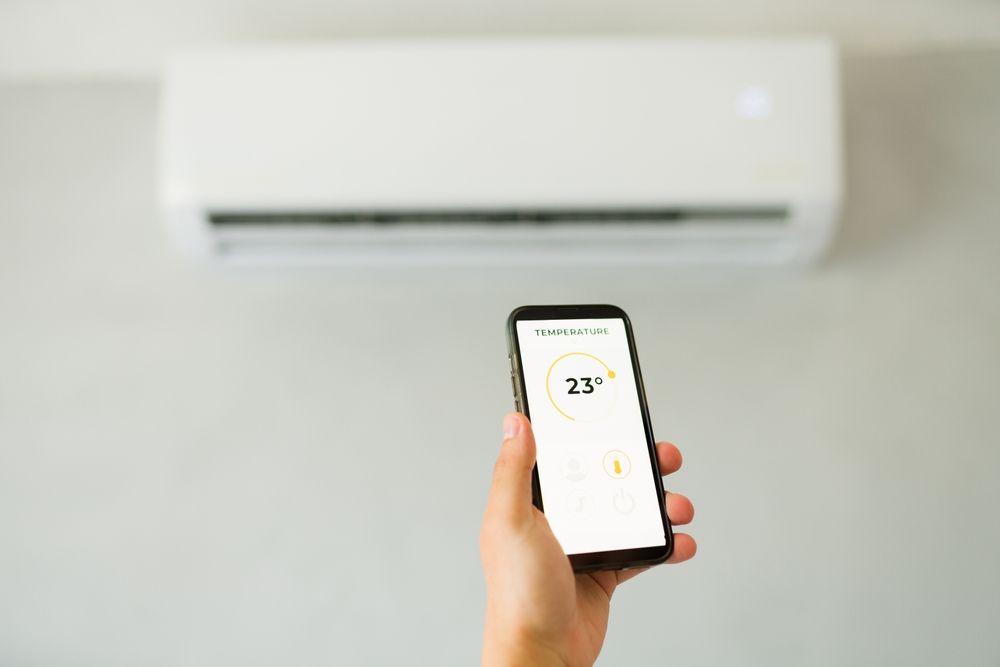
After installation, you'll set different temperatures for upstairs and downstairs zones, and the system automatically adjusts which areas receive conditioned air based on each thermostat's current reading. Your HVAC equipment runs less frequently because it's not overcooling lower levels to reach the temperature setting for upper floors, and rooms that aren't occupied during the day—like bedrooms—stay at setback temperatures until needed.
Zoning layouts account for the number of zones your HVAC system can manage simultaneously, the placement of thermostats to avoid false readings from sunlight or drafts, and the location of return air paths that prevent pressure imbalances. Proper planning prevents short-cycling, where the system shuts off prematurely because one small zone reaches temperature while larger zones remain unmet.
Questions About Zoning Systems and Residential Comfort
Homeowners and builders frequently ask how zoning systems integrate with existing HVAC equipment and whether ductwork modifications are required, since understanding system compatibility helps you evaluate whether zoning fits your project.
How many zones can a residential HVAC system handle?
Most residential systems support two to four zones effectively, depending on equipment capacity and ductwork design, with each additional zone requiring a thermostat, damper assembly, and control wiring.
What areas benefit most from independent temperature control?
Two-story homes see the greatest improvement from zoning because heat naturally rises, making upper floors significantly warmer than lower levels, and zoning prevents the system from overcooling downstairs spaces to compensate.
Does zoning reduce energy consumption in larger homes?
Zoning reduces runtime by eliminating unnecessary heating and cooling in unoccupied areas, though actual savings depend on how often zones are set to different temperatures and whether the home's insulation prevents heat transfer between zones.
Can zoning be added to existing HVAC systems?
Existing systems can accommodate zoning if ductwork is accessible for damper installation and the equipment's blower can handle variable airflow without creating pressure problems, which requires evaluation of current duct sizing and static pressure limits.
What happens if ductwork isn't designed for zoning?
Improperly designed zoning creates high static pressure when dampers close, which forces the blower motor to work harder, increases noise, and can cause premature equipment failure if bypass dampers or pressure relief strategies aren't included.
Customized zoning layouts from Load Calc Designs reflect your home's specific heating and cooling demands, floorplan layout, and ductwork configuration. Discuss HVAC zoning solutions for your residential project to evaluate whether independent temperature control improves comfort and efficiency in your home.