
Comfort and Efficiency Start with Load Calculation
Manual J in Meridian for homes with uneven temperatures and rising utility bills
Load Calc Designs provides Manual J residential HVAC load calculations in Meridian using Wrightsoft software that measures heat loss and heat gain room by room throughout your home. Manual J is the ACCA industry-standard method that determines exactly how much heating and cooling capacity your home requires based on insulation levels, window placement, orientation, and construction details. When your HVAC contractor works from accurate load data instead of rough estimates or outdated rules of thumb, the equipment size matches what your home actually needs rather than what someone assumes it needs.
The calculation process accounts for wall construction, ceiling height, window types, and how your home loses heat in winter or gains it in summer. Oversized systems cycle on and off too frequently, which prevents proper dehumidification and wastes energy, while undersized systems run constantly without reaching the desired temperature. Manual J calculations prevent both problems by sizing equipment to the actual thermal behavior of your home.
Request a customized Manual J calculation to establish the correct capacity for your residential project.
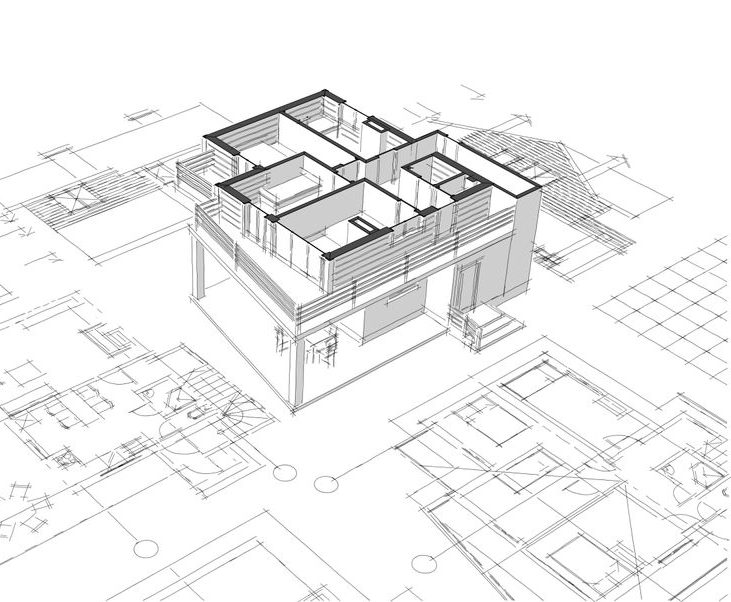
What Proper Load Calculation Prevents
Manual J calculations evaluate every room individually and add up the heating and cooling loads to determine total system capacity requirements. Wrightsoft software processes construction specifications, orientation data, and local climate conditions to calculate heat transfer through walls, floors, ceilings, windows, and doors. The output specifies how many BTUs of heating and cooling each space requires, which prevents contractors from installing equipment that's too large or too small for the application.
After the calculation is complete, you receive documentation that shows the total load for the home and the breakdown for each room. Load Calc Designs delivers detailed reports within two to three days for homeowners, builders, and HVAC contractors working on new construction or system replacement projects. The data supports better equipment selection, more accurate bids, and compliance with building codes that require load calculations before permit approval.
Accurate sizing reduces system strain, lowers long-term operating costs, and maintains consistent indoor temperatures without the short cycling that occurs when equipment capacity exceeds the actual load. Properly sized systems also control humidity more effectively because they run long enough to remove moisture from the air during cooling cycles.
Questions Before Starting Your Calculation
Residential HVAC design in Meridian depends on accurate load data that reflects how your home gains and loses heat throughout the year. These answers explain what the calculation process involves and what the results provide.
What information is required to complete a Manual J calculation?
The calculation requires architectural plans, insulation specifications, window types and locations, ceiling heights, and orientation details so the software can model how heat moves through the building envelope under local climate conditions.
How does Manual J improve system performance compared to sizing by square footage?
Square footage rules ignore insulation quality, window efficiency, and floor plan layout, which means they often recommend equipment that's 30 to 50 percent larger than the home actually needs and cycles inefficiently as a result.
When should a Manual J calculation be completed during the construction process?
The calculation should be completed after architectural plans are finalized but before HVAC equipment is ordered, so the contractor can select the correct capacity and avoid restocking fees or delays from incorrect sizing.
What happens if the HVAC system is oversized based on the load calculation results?
Oversized systems reach the thermostat setpoint quickly and shut off before completing a full cycle, which prevents adequate dehumidification in summer and causes uneven heating in winter due to insufficient runtime.
How do Treasure Valley climate conditions affect residential load calculations?
The calculation accounts for winter design temperatures that drop below freezing and summer conditions that require sustained cooling, which determines the balance point between heating and cooling loads and affects equipment selection.
Load Calc Designs completes residential Manual J calculations using ACCA standards and Wrightsoft software that delivers the detailed load data builders and contractors need for proper system sizing. Request a calculation to support your new construction or replacement project in Meridian.